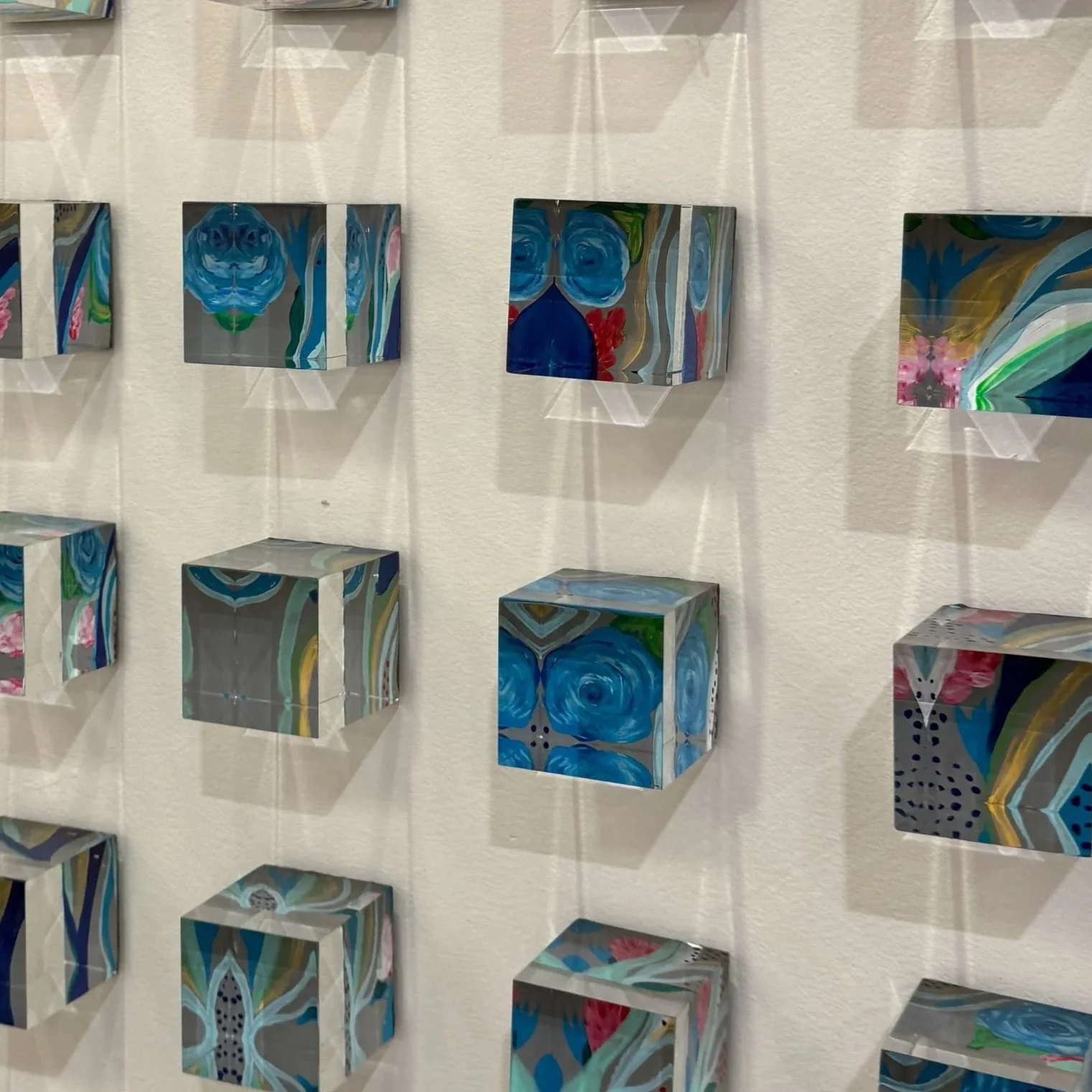
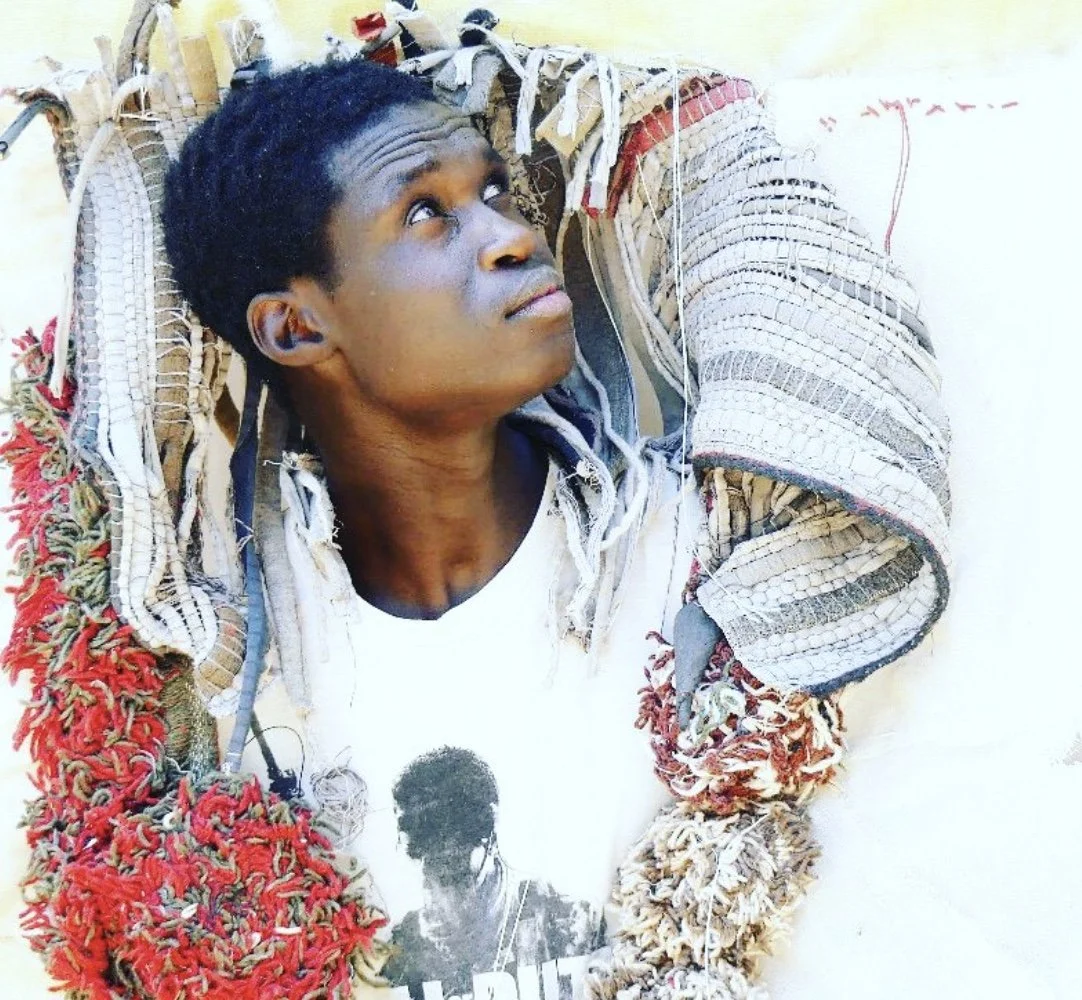
Pardon Mapondera

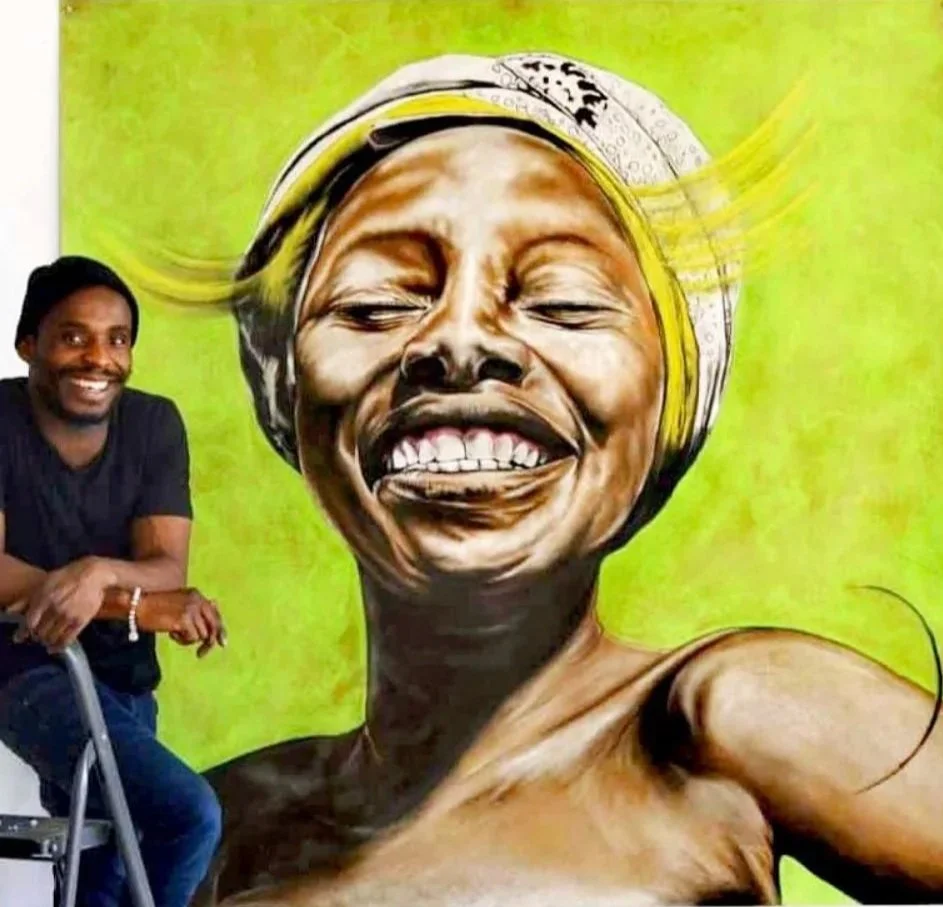
Lloyd Maluleke

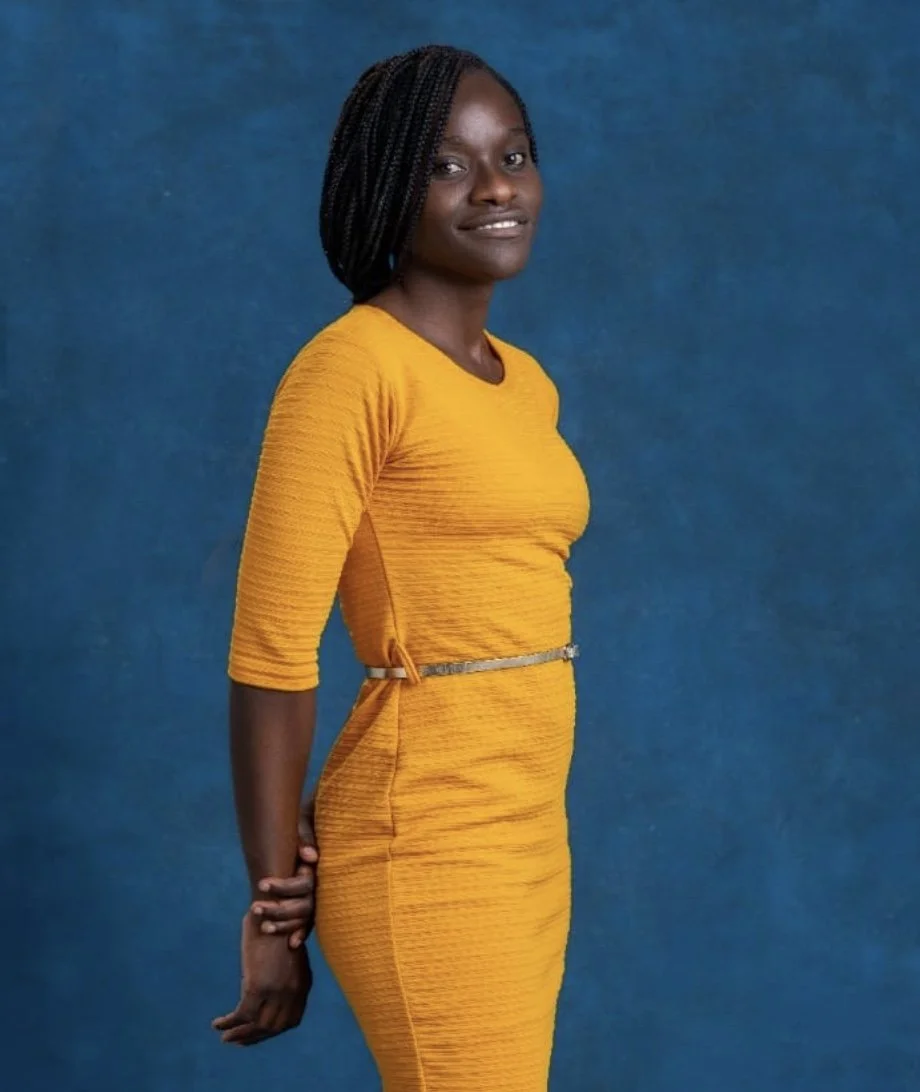
Nothanda Chiwanga

CROSSING LINES: Contemporary Voices from Zimbabwe and South Africa

Opening Reception: Saturday, November 8th, 5 - 8 PM

Artist Talk: Sunday, November 9th, 12 - 2 PM

Exhibition on View: November 8 - November 22, 2025

RSVP 11/8 Exhibition Opening
RSVP 11/9 Artist Talk

Exhibition Overview

Crossing Lines: Contemporary Voices from Zimbabwe & South Africa is a groundbreaking exhibition presented by DHV Artworks in collaboration with the Indibano Art Residency, founded by Bukekile Dube. The exhibition brings together three rising contemporary artists—Lloyd Maluleke (South Africa), Nothando Chiwanga (Zimbabwe), and Pardon Mapondera (Zimbabwe)—whose practices explore identity, resilience, and transformation in a rapidly shifting global context.

Through painting, assemblage, photography, and performance, these artists examine the intersections of geography, memory, and material. Their works reveal how borders—whether physical, cultural, or psychological—can become sites of tension, resistance, and ultimately renewal.

This two-week exhibition marks a rare opportunity for Dallas audiences to engage directly with artists shaping the contemporary African art movement, a discourse that is increasingly redefining global conversations about culture, creativity, and belonging.

The Artists

Pardon Mapondera (Zimbabwe)
Pardon Mapondera’s engagement with ancestry and heritage is woven through his practice in a way that goes beyond simple celebration of lineage or nostalgia. Instead, his work treats heritage as both burden and possibility: he acknowledges inherited structures of meaning—spiritual, social, environmental—and questions how they persist (or fracture) in a post-colonial Zimbabwean context and within the wider diaspora. For him, recalling origin is not purely romantic—it is a way of confronting the entangled legacies that include colonial disruption, dispossession, displacement, cultural loss, but also resilience, renewal, and transformation. His own statement makes this clear: he draws on a Zezuru proverb, “Ziva kwawakabva kwaunoenda husiku” (“know where you come from, for you do not know where you are going at night”).

In his material choices and processes, Mapondera treats found and discarded objects—plastic straws, old dish towels, thread, beads—as carriers of memory, social history and ancestral traces. He uses them not just as ecological commentary but as carriers of inherited experience: “I’m fascinated by … how, for instance, heat transforms plastic into a metaphor for contorted and traumatised bodies. At that point the materials carry their own stories and philosophies.” Through this material language he engages ancestral themes in three main ways:

  • Inheritance of both visible and invisible legacies

  • Re-making and reclaiming heritage

  • Ambiguity of continuity and dislocation

In short: Mapondera’s message around ancestry and heritage is complex and layered: heritage is not safe or silent—it is messy, embodied, material, and must be engaged, cleansed, re-imagined. By doing so, he asks viewers to recognize where they come from, understand what they carry, and consider how they move forward.

Mapondera has exhibited internationally and was recently selected to represent Zimbabwe at the 2026 Venice Biennale, one of the art world’s most prestigious stages.

Lloyd Maluleke (South Africa)
The series titled "Like Father, Like Son" by Lloyd Maluleke is a powerful body of work that pays tribute to the resilience of working-class fathers and the intergenerational bonds they share with their children. Maluleke uses printmaking on handmade papers (evocative of cow skin in tone and texture) to depict scenes of fathers, often in labour-intensive or primary-industry roles, with children looking on or representing the next generation. In doing so he honours the perseverance and silent dignity of everyday providers.

But the series goes deeper: it explores the passing down of values — skills, traditions, identity — from father to son (and implicitly to the next generation) while also acknowledging the broader community that fills the gaps in absence of a typical father figure. Maluleke grew up in South Africa with limited paternal presence; rather than treating this as deficit, his practice re-frames it through a lens of hope, continuity and collective responsibility rather than victimhood.

Nothando Chiwanga (Zimbabwe)
Nothando's work, "She Who Stands," positions the Black female body as a living archive of resistance and dignity, tracing experiences from Zimbabwe to Dallas. Through photography and installation, Nothando Chiwanga reveals how everyday acts—such as dressing, braiding, walking, and gathering—become sites of power and protest against erasure.

The project centers presence as a political act, where mundane gestures carry profound social weight. Photography captures Black women across generations and backgrounds, while installations weave threads, gowns, braids, soil, books, and sacred objects into layered narratives of diaspora and interconnection. Chiwanga’s practice operates between Zimbabwe and its diaspora, treating Black womanhood as both a memory vessel and a site of resistance. By integrating ancestral symbols with contemporary frameworks, she honors the quiet radicalism of existing entirely—of being seen and whole. Each thread represents individual strength; together, they form a collective fabric that refuses to be silenced and insists upon dignity.

About Indibano Art ResidencyFounded by Bukekile Dube, Indibano (meaning “a meeting place” in Northern Ndebele/Zulu) is a pioneering residency program that fosters cross-cultural exchange between African and U.S.-based artists. The residency emphasizes collaboration, education, and exposure—providing a vital platform for artists from the African continent to share their stories, processes, and practices with international audiences.

Why It Matters

At a time when contemporary African art is gaining unprecedented global recognition, Crossing Lines offers Dallas a chance to join this important cultural dialogue. The exhibition underscores DHV Artworks’ commitment to presenting innovative, cross-cultural, and socially engaged art that challenges perspectives and inspires conversation.