
EMILY HERRERA
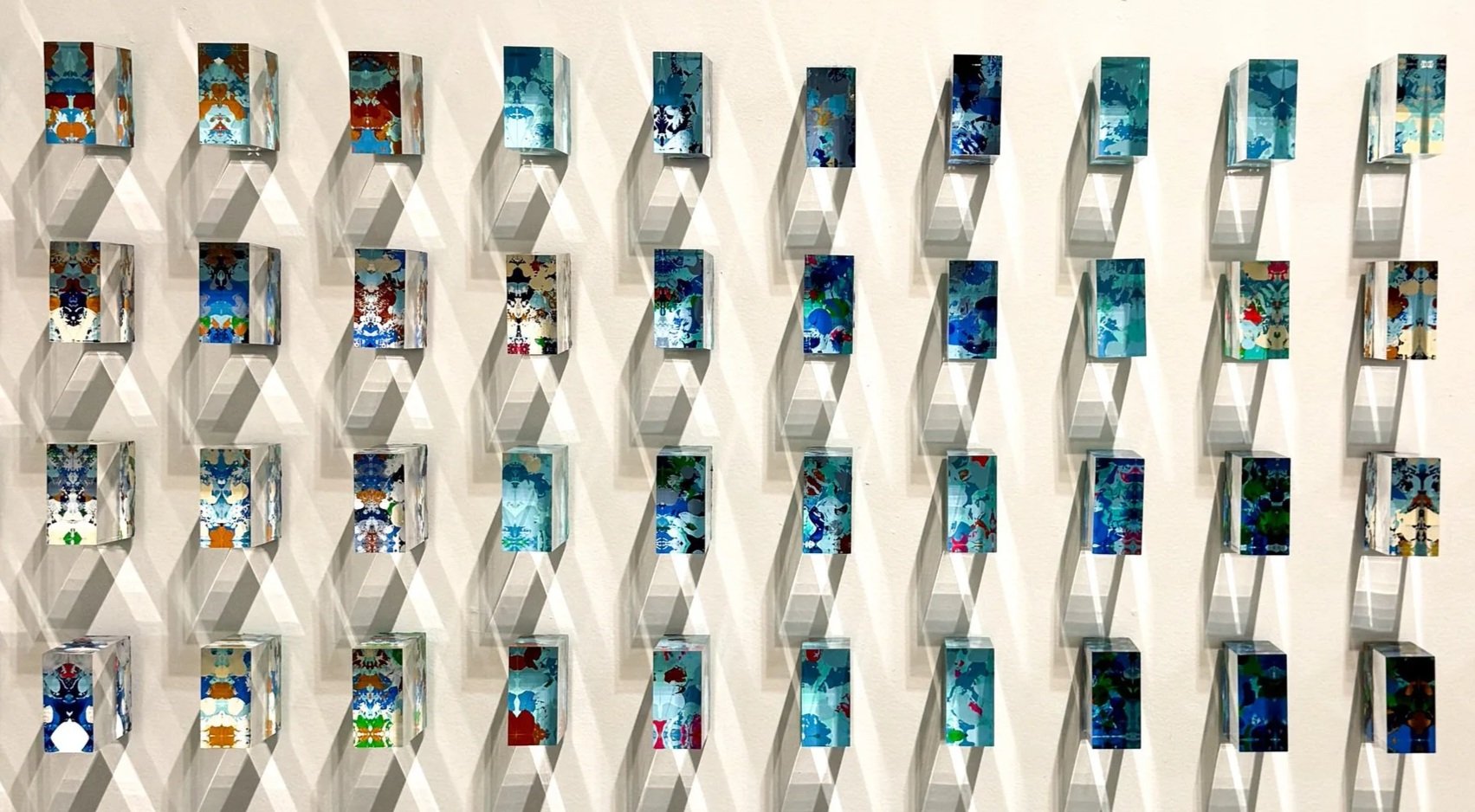
Emily Herrera is a contemporary mixed-media artist whose work explores the intersection of nature, perception, memory, and materiality. Through layered acrylic constructions, Herrera creates immersive visual experiences that challenge traditional notions of painting, inviting viewers to engage with her work through movement, light, and shifting perspectives.
Working with multiple layers of painted and transparent acrylic, Herrera builds compositions that exist somewhere between painting, sculpture, and installation. Botanical forms, floral motifs, and organic structures emerge and recede through translucent surfaces, creating moments of distortion, revelation, and discovery. As viewers move around the work, images transform, overlap, and unfold, reflecting the fluid and ever-changing ways in which we experience both memory and the natural world.
Central to Herrera's practice is an interest in perception—how visual information is constructed, fragmented, and reassembled over time. Her layered compositions create depth not only physically but conceptually, encouraging contemplation of what is visible, what is obscured, and how meaning evolves through experience. The resulting works possess a dynamic quality that rewards repeated viewing and active engagement.
Drawing inspiration from nature's complexity and resilience, Herrera's work often references gardens, blooms, and organic growth patterns while moving beyond direct representation. Through vibrant color, transparency, and carefully orchestrated spatial relationships, she creates environments that feel simultaneously familiar and dreamlike.
Herrera's innovative approach to materials and process has earned recognition for its ability to bridge contemporary abstraction with experiential storytelling. Her work invites viewers to slow down, shift their perspective, and discover new relationships between light, space, memory, and the natural world.
Through her layered practice, Emily Herrera transforms the act of looking into an experience of exploration, revealing the beauty and complexity that emerge when perception itself becomes the subject.
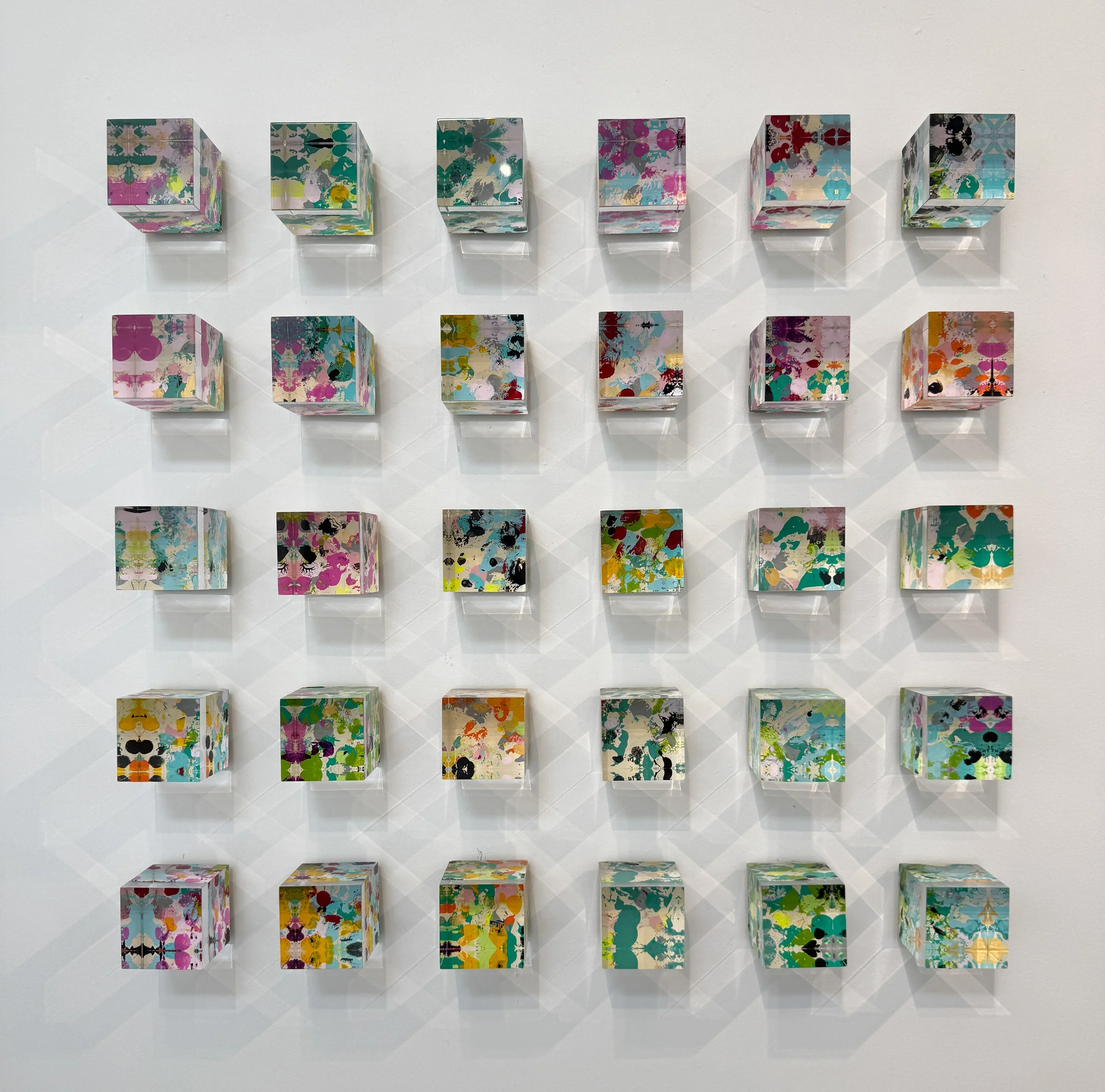
REMEMBER WHEN, Acrylic on Acrylic Block, set of 30
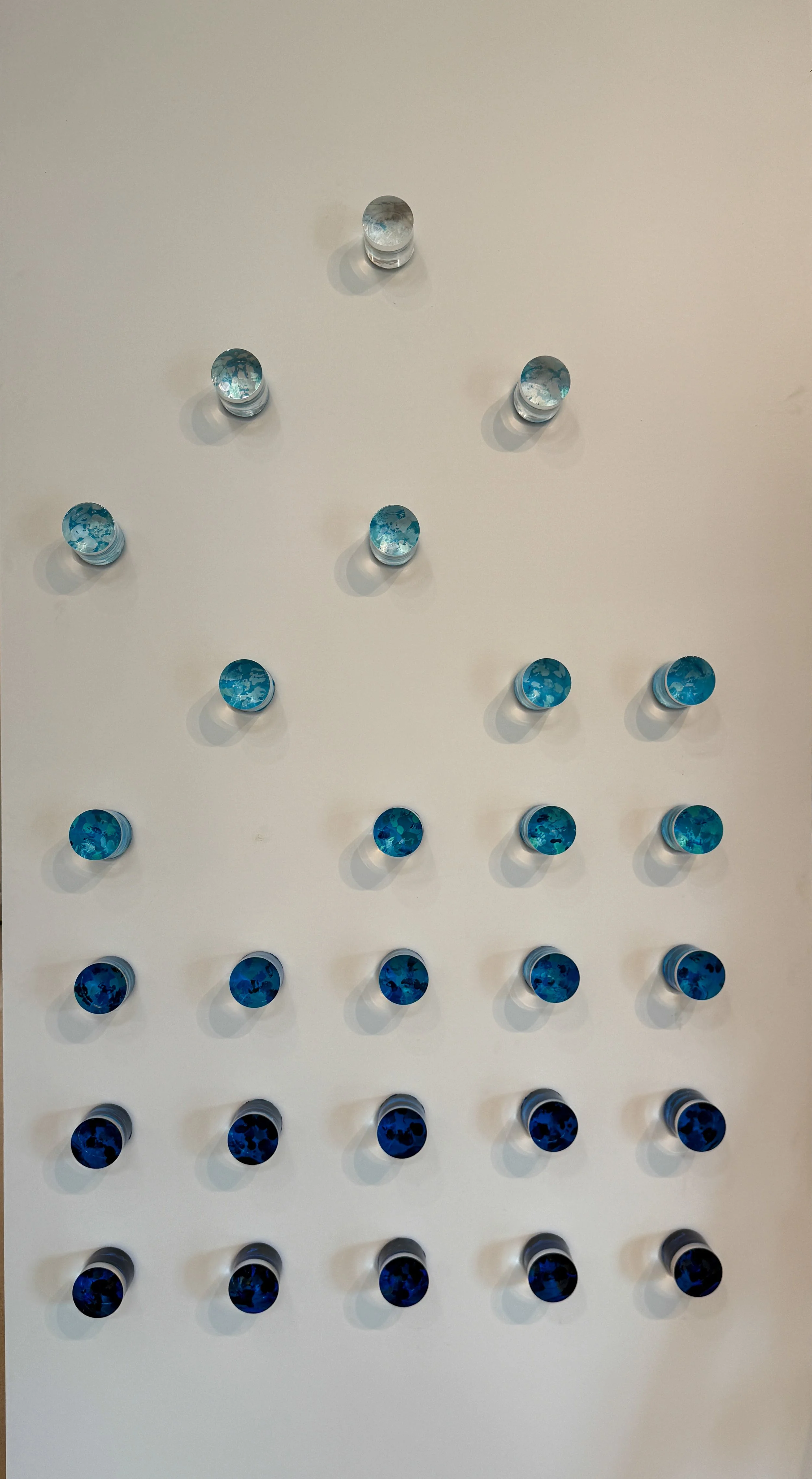
EVAPORATION, Acrylic on Acrylic Block, set of 27
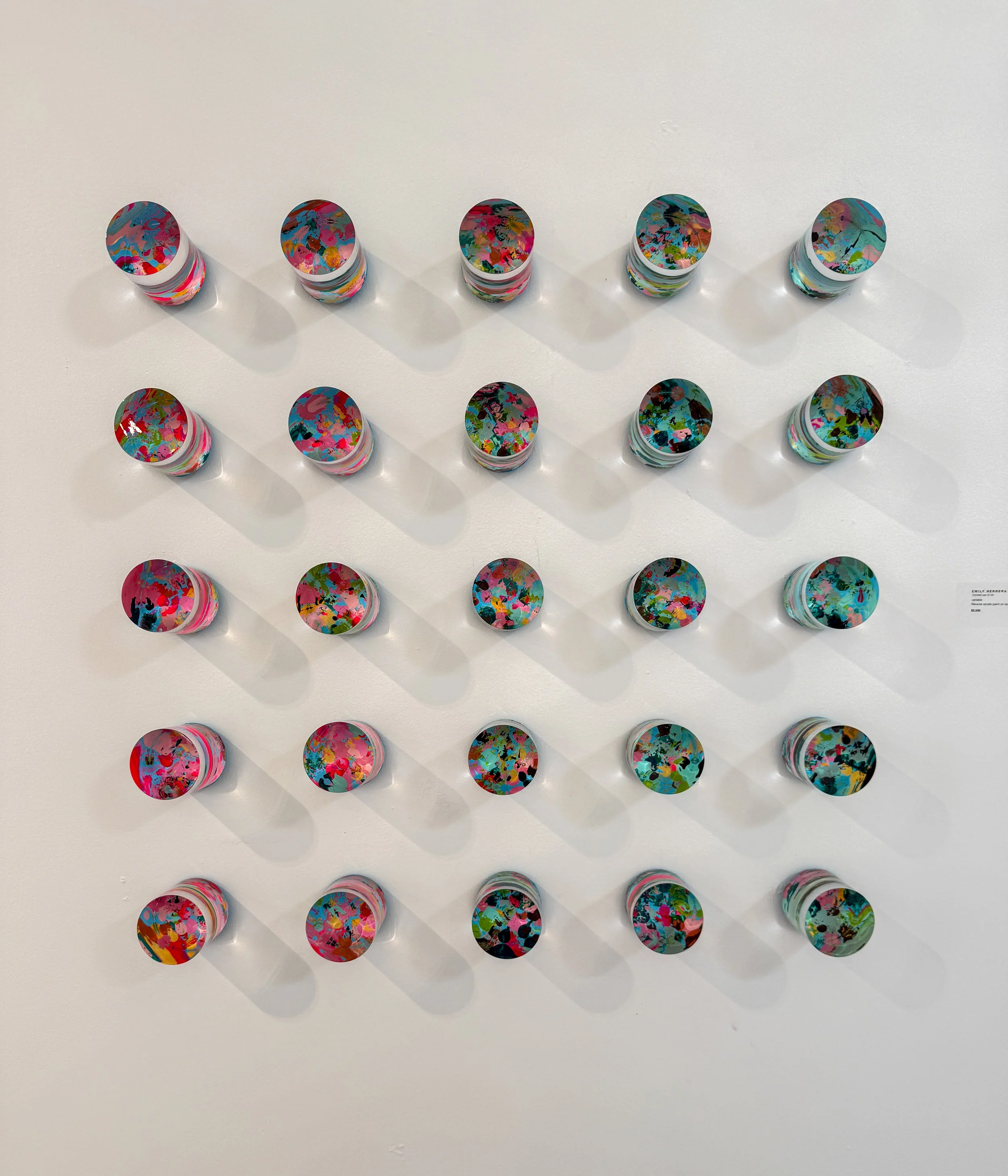
CONFETTI, Acrylic on Acrylic Block, set of 25
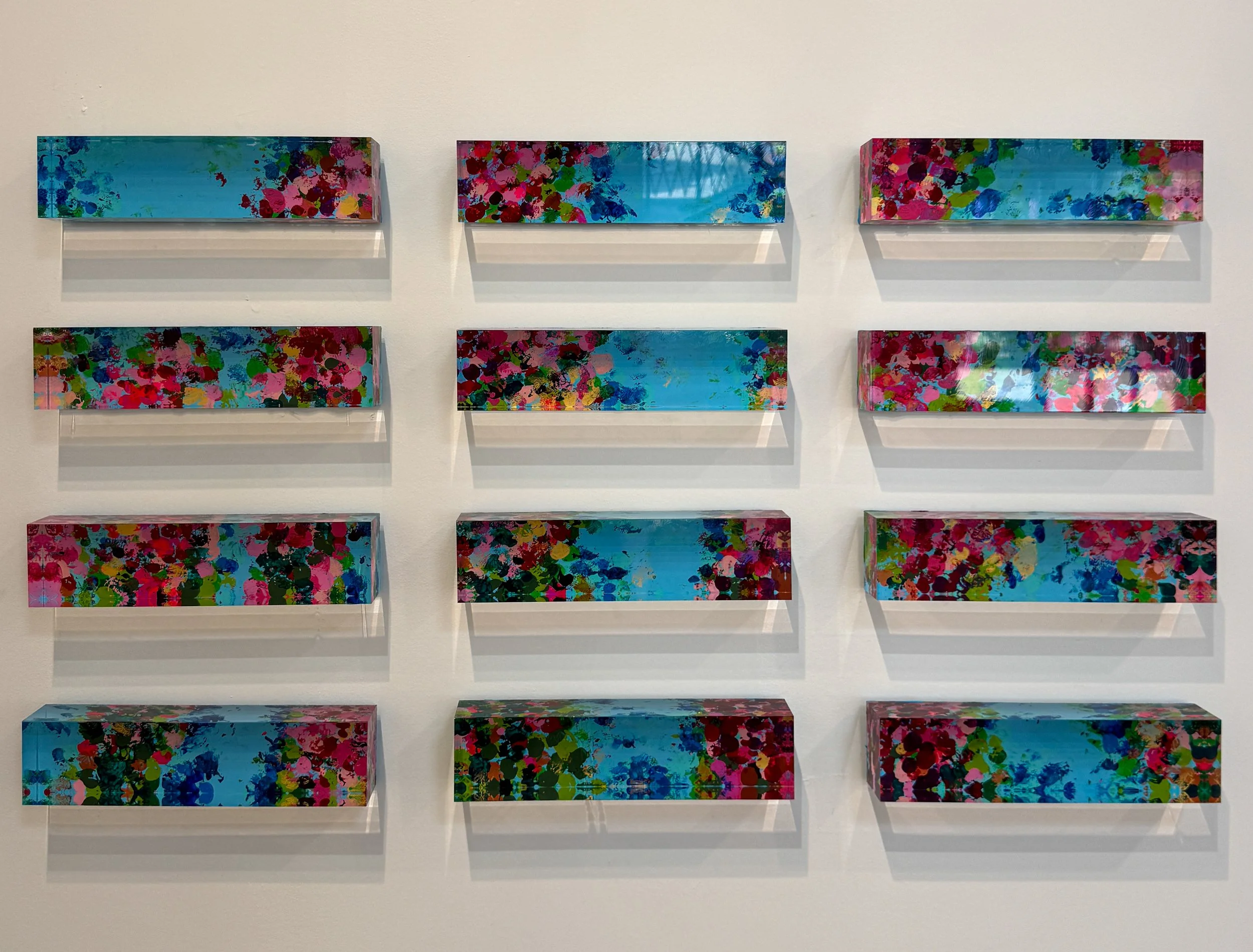
MID-DAY BLOOM, Acrylic on Acrylic Block, set of 12
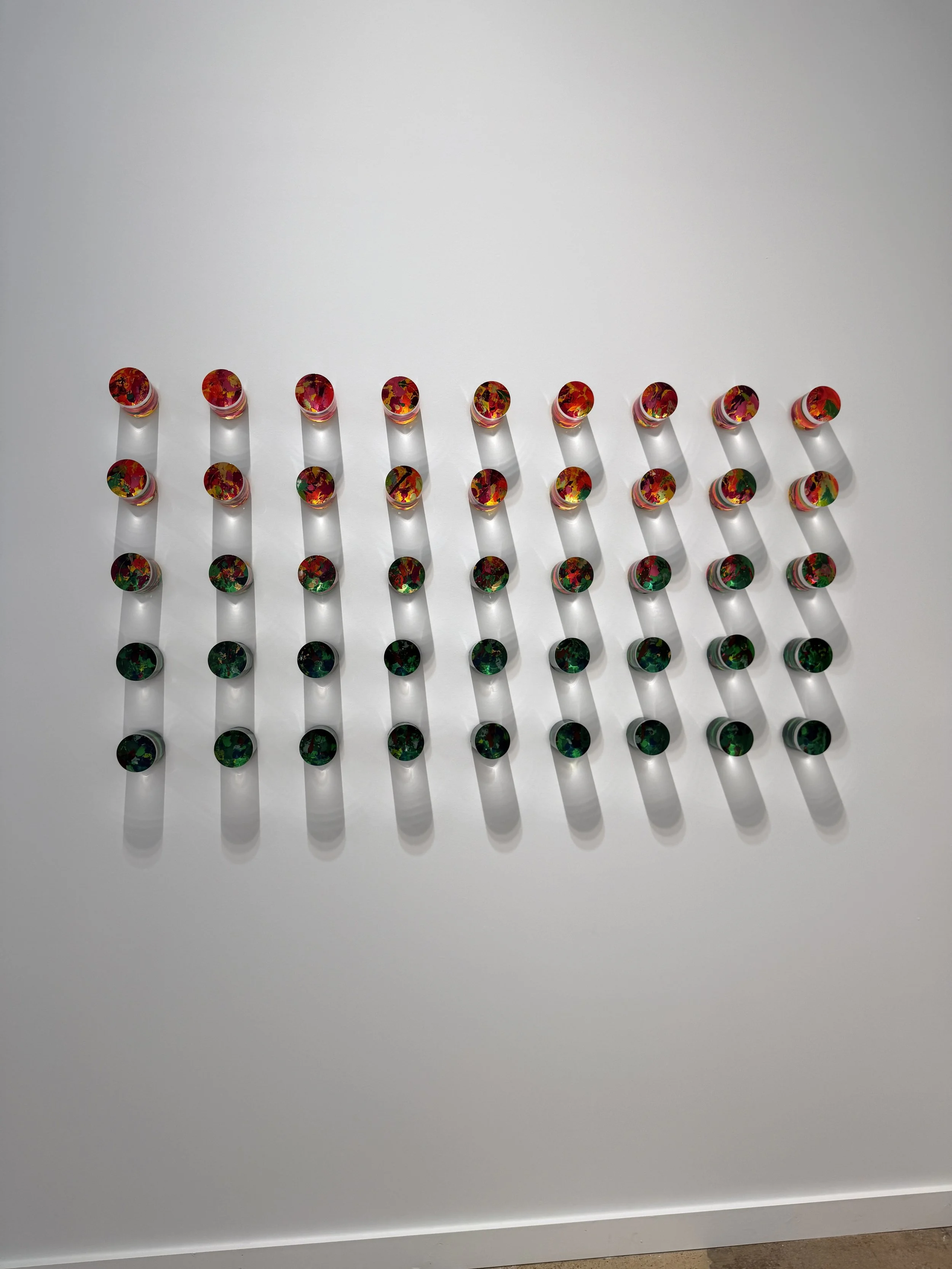
BIOPHILIA, Acrylic on Acrylic Block, set of 45
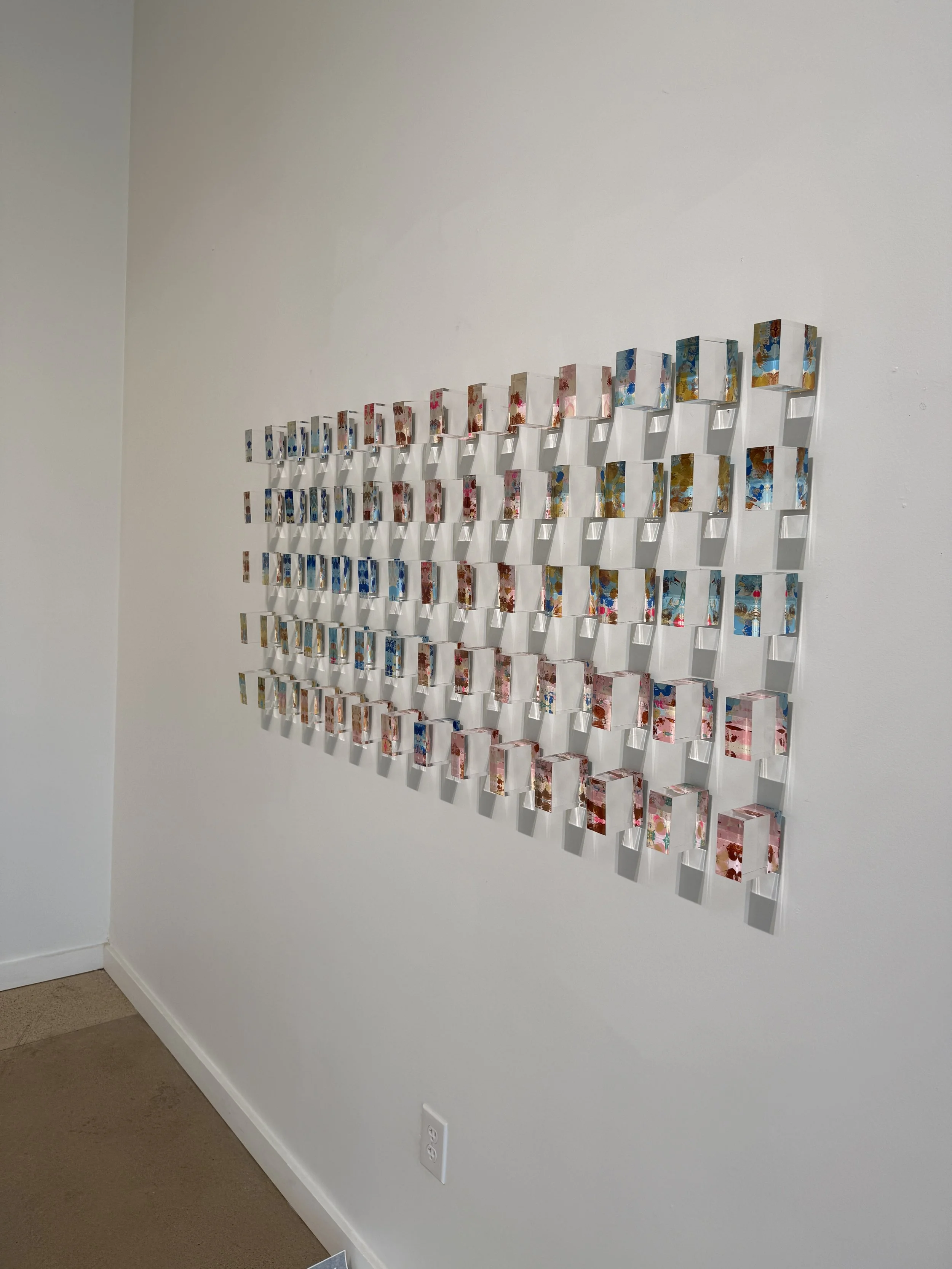
CONTINUING, Acrylic on Acrylic Block, set of 70
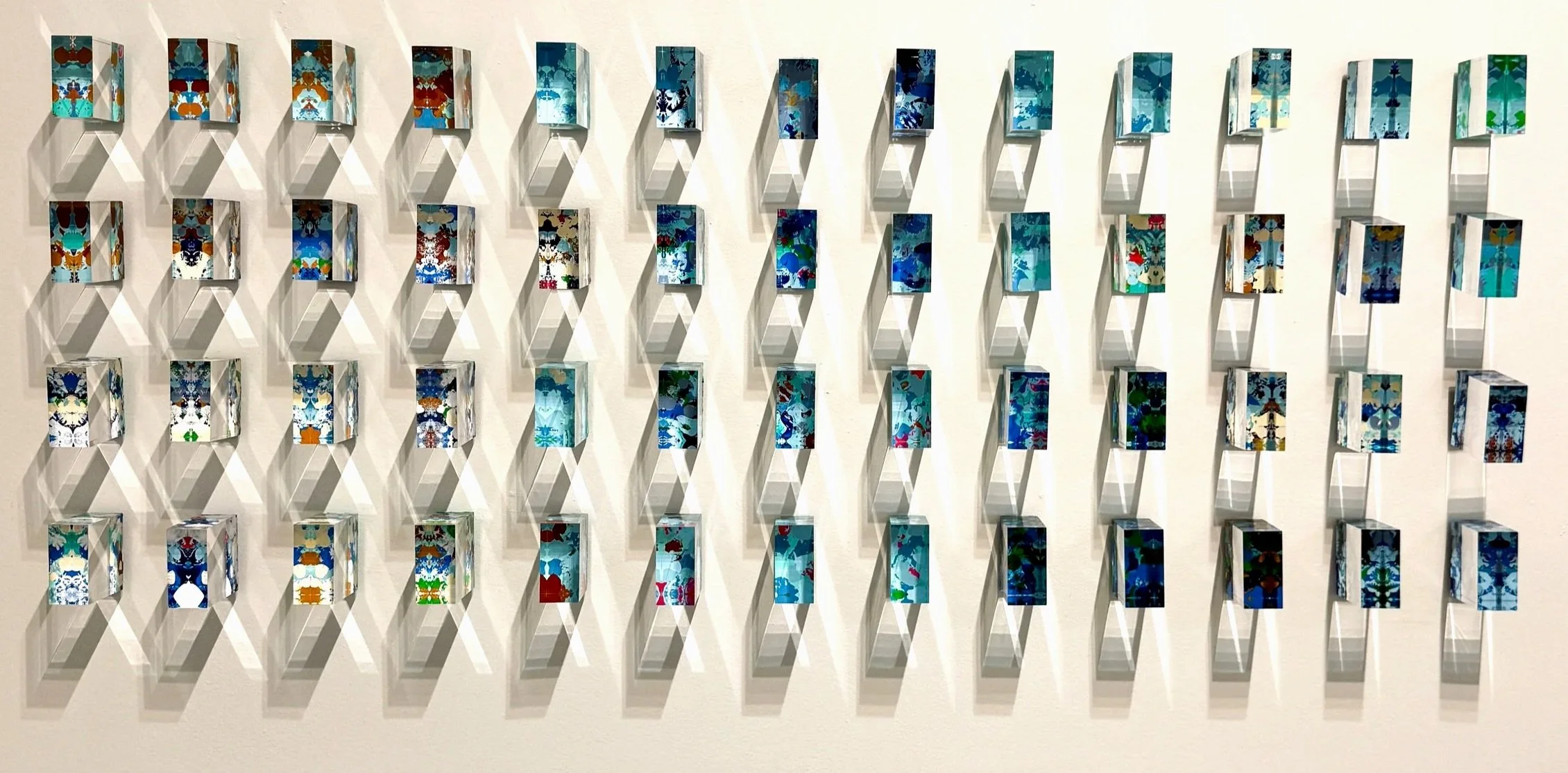
SOLD
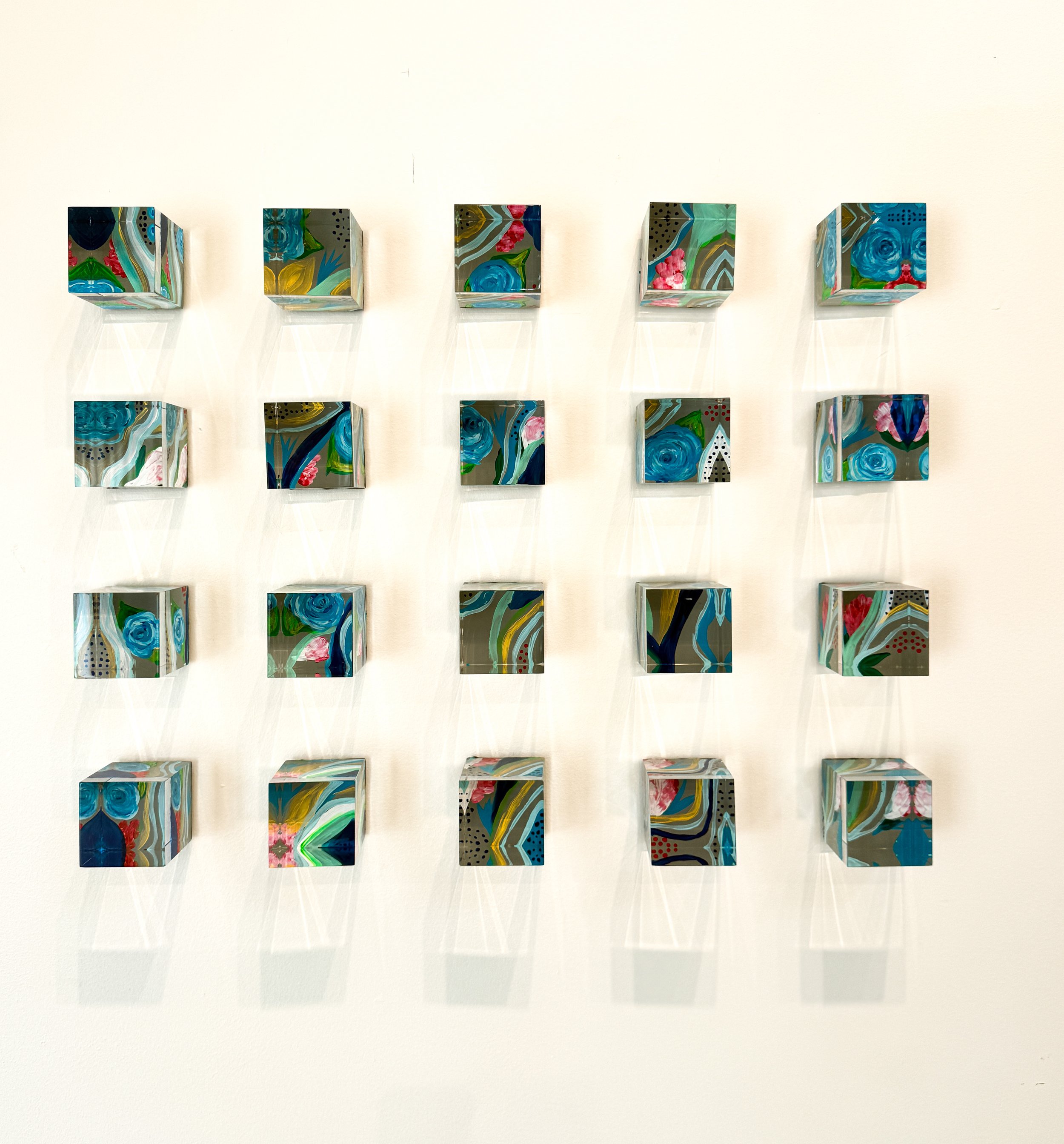
SOLD
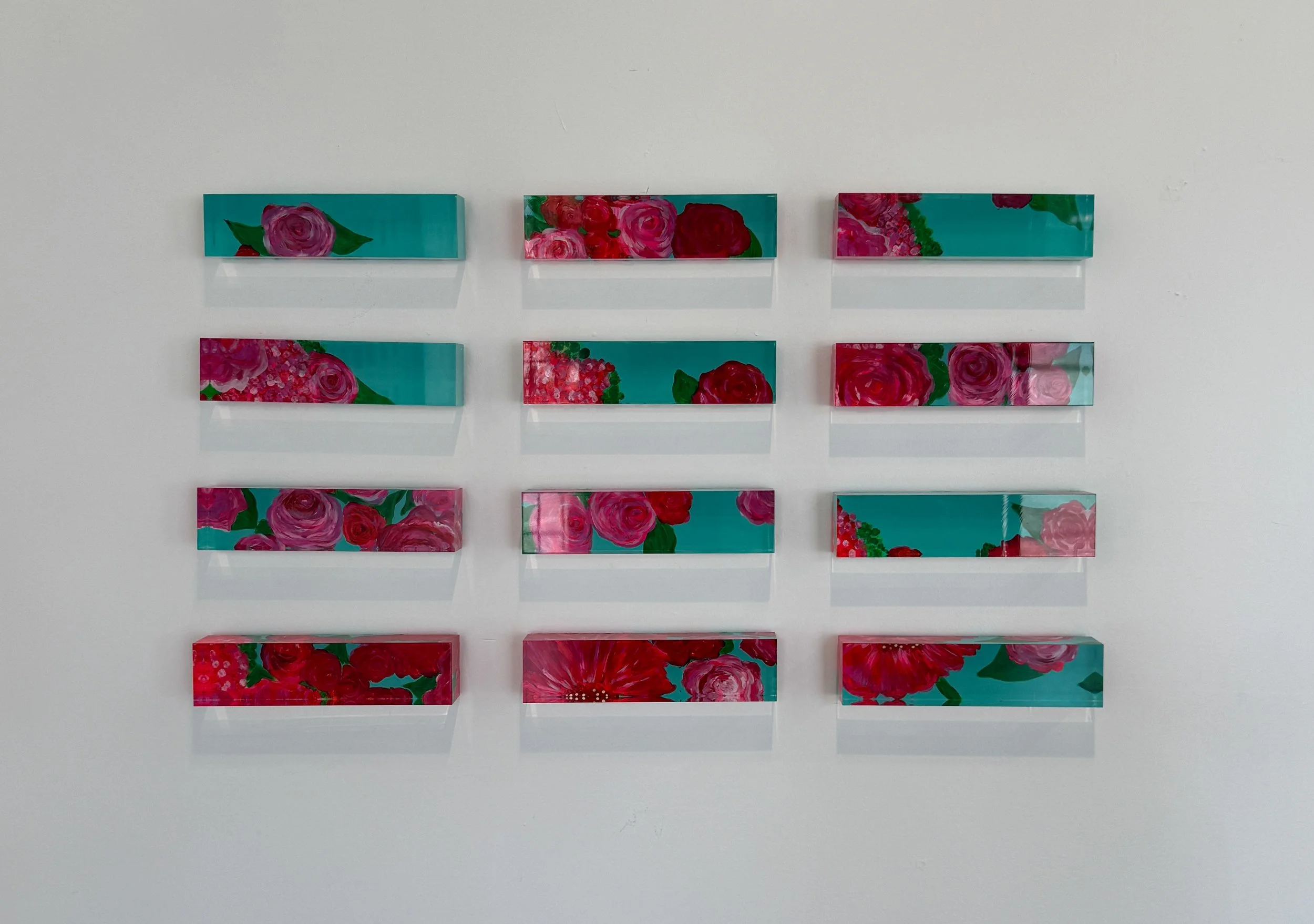
SOLD